Mastering Natural Tones in Photography
Chosen theme: Mastering Natural Tones in Photography. Discover practical methods, field-tested stories, and gentle techniques for rendering colors faithfully, celebrating nuance, and inviting viewers to feel present in every frame. Join the conversation, subscribe for future guides, and share your experiences with authentic color.
Color Temperature and White Balance, Demystified
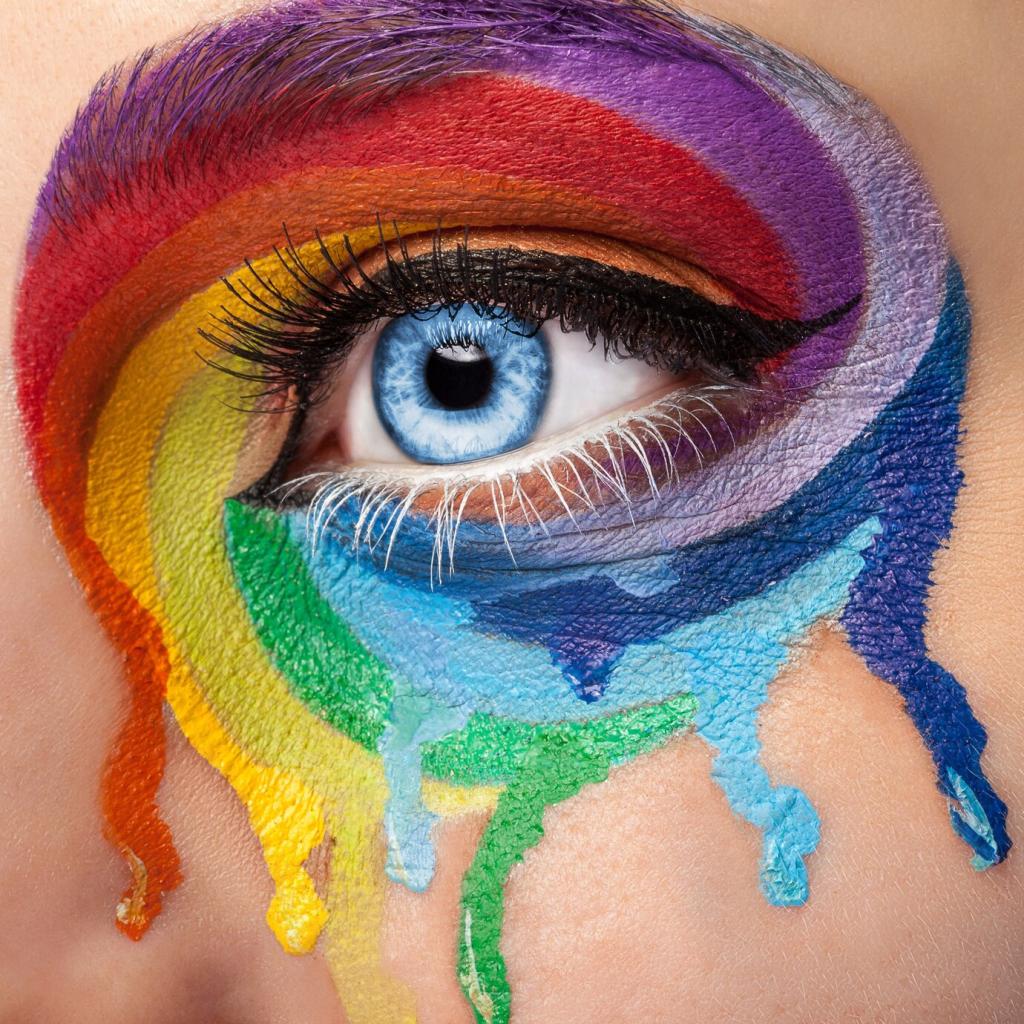
Natural tones begin with predictable light. Learn the Kelvin scale, set custom white balance using a gray card, and avoid auto shifts. Lock your reference, then fine-tune by eye, honoring memory colors like skin, foliage, and open sky for believable results.
Dynamic Range, Skin, and the Way We See
Skin is especially sensitive to exposure errors. Preserve highlights for lifelike texture, and let midtones breathe. Our eyes adapt quickly, but sensors are literal; protect detail, avoid clipping, and consider gentle exposure compensation to maintain soft gradations and human warmth.
Mixed Ambient Light Without Color Chaos
Street lamps, window daylight, and neon signs pull colors in conflicting directions. Balance by choosing a dominant source and gelling secondary lights. If you cannot unify sources, compose to isolate them, then correct locally in post to restore cohesion and calm authenticity.

Working with Natural Light Sources
Golden Hour Warmth Without Overcooking
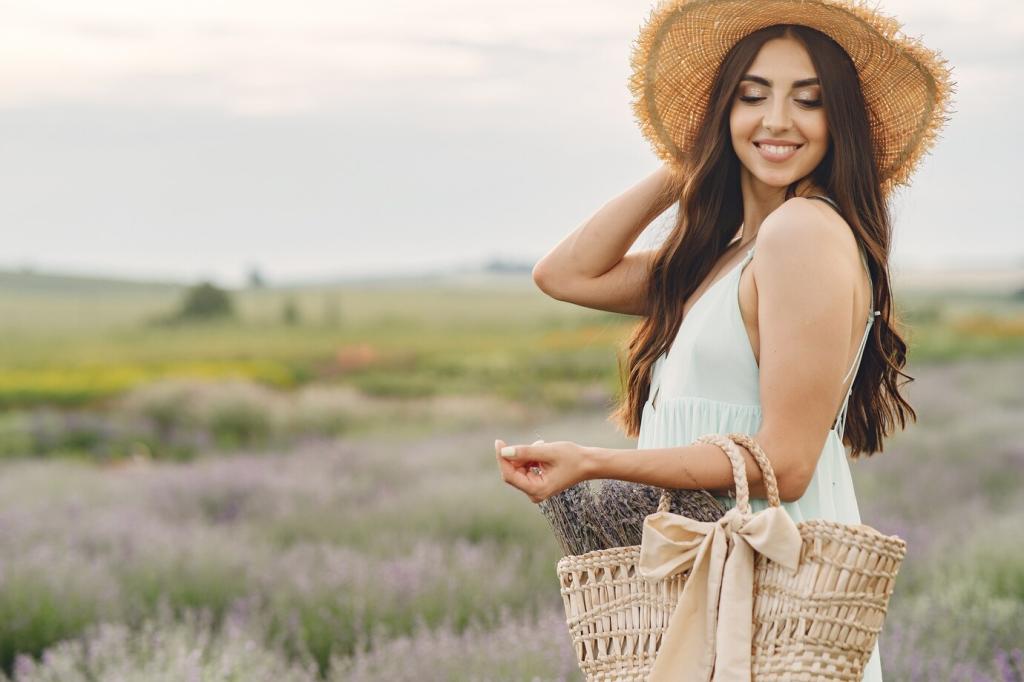
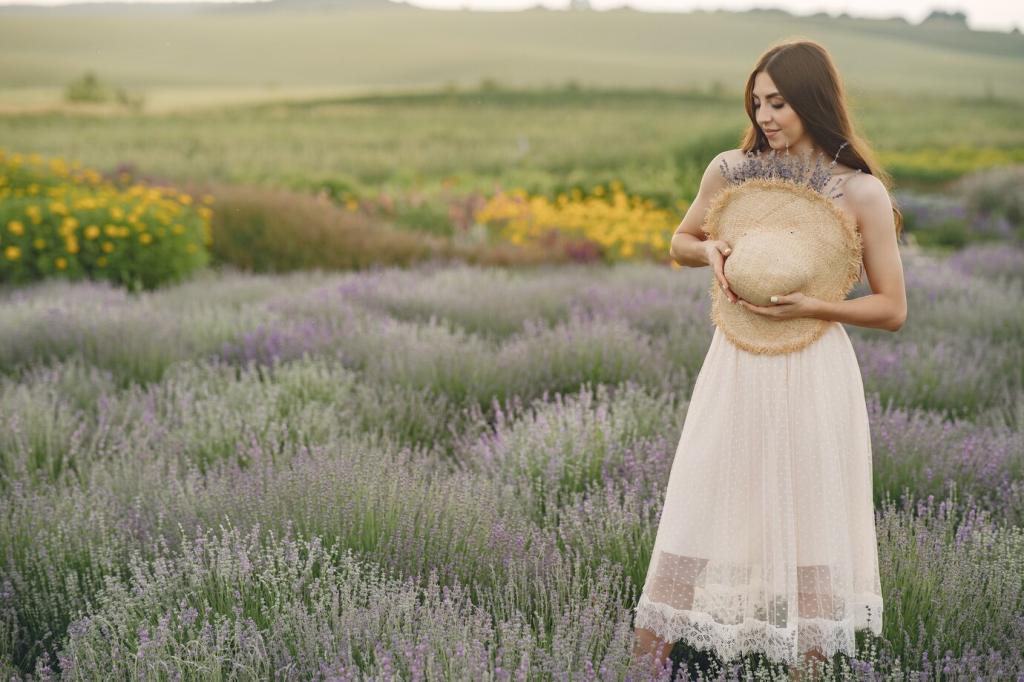
Golden hour seduces with honeyed light, yet it is easy to push warmth too far. Set a measured white balance, watch for color cast on skin, and retain neutral anchors in the frame. Subtlety keeps warmth expressive rather than cartoonish or uniformly orange.
Overcast Light: Nature’s Softbox
Cloud cover diffuses light, softening contrast and enriching natural tones. Position subjects toward the brightest patch of sky, and use surroundings as reflectors. Overcast scenes often benefit from modest contrast and saturation adjustments to keep colors feeling present yet comfortably restrained.
Windows, Reflectors, and Negative Fill
Window light provides clean, directional color. Use white reflectors to open shadows without tint, or black flags to preserve sculpted depth. Move your subject inches, not yards, and watch the color of floors and walls; their bounce can tint skin without you noticing.
Post-Processing for True-to-Life Tones
Calibrated Displays and Camera Profiles
Natural results depend on what you see. Calibrate your monitor regularly and use camera-matched profiles. Build a simple, repeatable workflow: profile first, white balance next, then exposure and contrast. A trustworthy baseline prevents compounding mistakes and protects subtle hue relationships.
Curves, HSL, and Global Before Local
Correct globally before touching local tools. Use curves for overall contrast and HSL for careful saturation balance. Small changes stack beautifully; large ones often break believability. Keep skin and foliage as references, and check neutrals to avoid hidden color casts creeping into midtones.
Natural Skin: Gentle, Targeted Corrections
Skin demands delicacy. Nudge orange and red hues slightly, reduce differential saturation between cheeks and forehead, and avoid uniform smoothing. Frequency separation or texture-aware tools can help, but restraint keeps pores alive and color lifelike. Invite feedback from your subject for accuracy.
Storytelling Through Natural Palettes
Collect reference images with honest color: film stills, documentary work, and quiet portraits. Note skin, foliage, sky, and textiles. Build a palette you can return to, anchoring your choices. Share your board and ask readers which references feel most convincingly natural and timeless.
Storytelling Through Natural Palettes
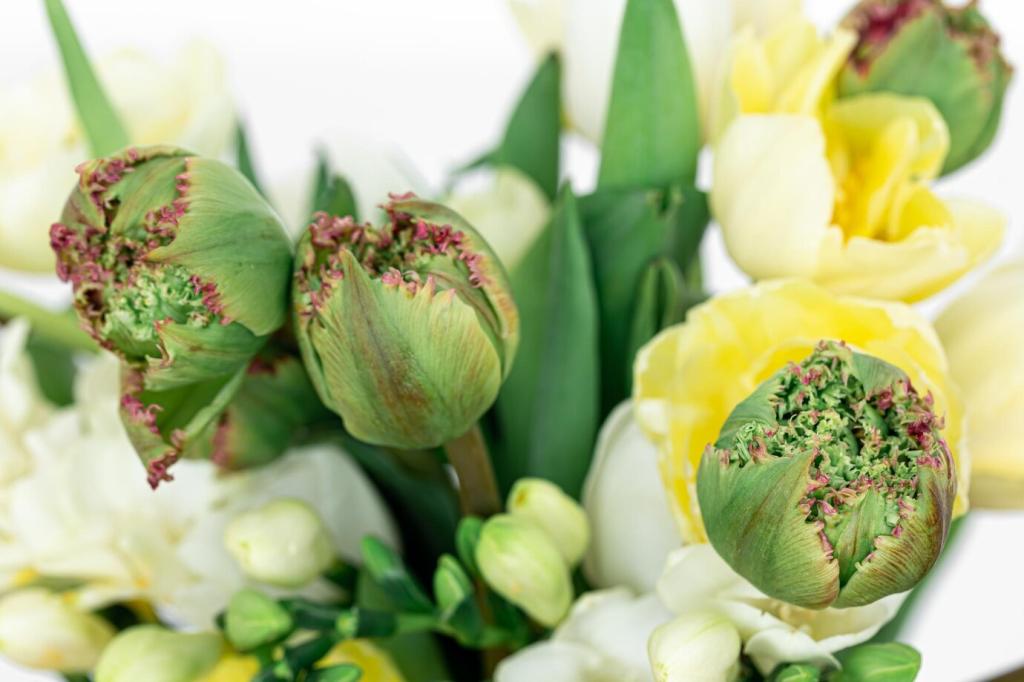
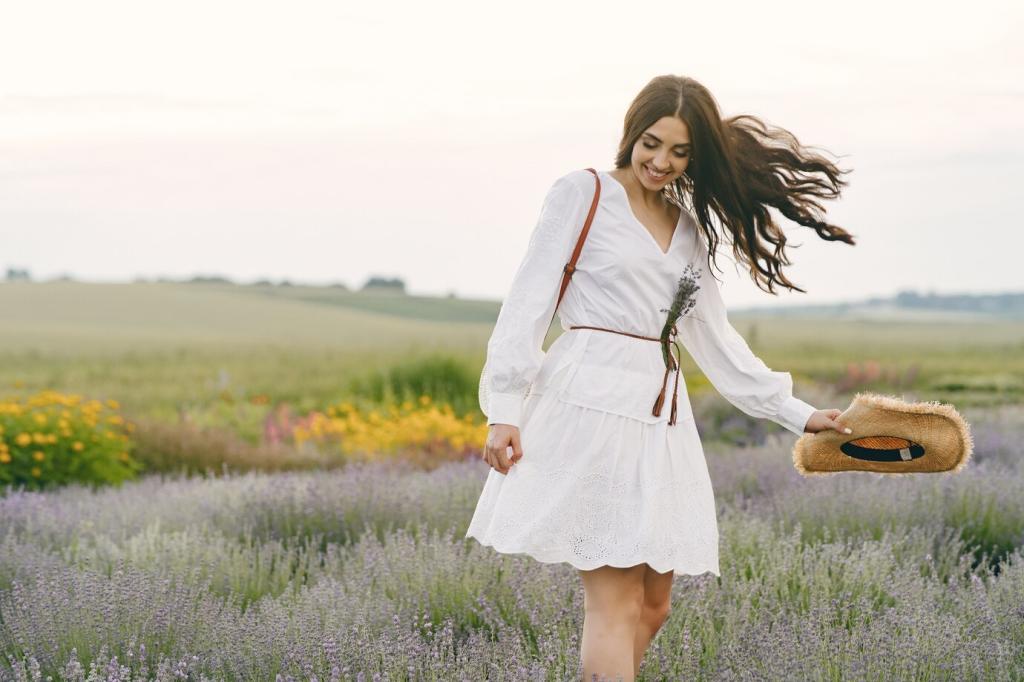
Natural tones reward coordination. Choose wardrobe colors that echo the environment, not overpower it. Muted earths, soft blues, and gentle creams harmonize beautifully. Encourage clients to bring options, and test outfits beside your shooting location to foresee color clashes before they happen.
Case Study: Forest Portrait, Early Autumn
We scouted at the same hour, checked leaf color, and asked our subject to bring neutral layers. A gray card set consistency across locations. We planned compositions to avoid bright signage, letting the forest’s muted greens and warm bark guide the overall palette.
Case Study: Forest Portrait, Early Autumn
Shafts of light filtered through leaves, so we positioned our subject where highlights kissed hair, not cheeks. White balance was locked to a custom value. A simple reflector lifted shadows. We exposed to save highlight texture, keeping the background’s greens gentle rather than neon.

Engage, Learn, and Share
Post a set and request comments on specific elements: skin neutrality, foliage realism, and highlight roll-off. Guided feedback sharpens your decisions. Drop a link in the comments, and we will feature thoughtful critiques in a future roundup to help everyone improve together.
Engage, Learn, and Share
Share modest edits alongside originals, explaining your choices. Transparency builds trust and clarifies your process. Invite readers to suggest alternative approaches, then test them. If you find a better balance, update your post and credit contributors who helped refine the natural look.