



Color Theory in Landscape Photography

Chosen theme: Color Theory in Landscape Photography. Step into the field with a painter’s eye, learning how hue, saturation, and contrast shape the mood of mountains, coasts, forests, and deserts. Subscribe and share your color breakthroughs with our community.

Foundations of Color Harmony in Natural Scenes

Use complementary pairs to create instant visual tension: think cobalt skies against rust-red sandstone, or emerald moss beneath magenta alpine dusk. These opposites amplify each other, guiding attention and adding depth. Try framing one color as subject, the other as supporting context.

Foundations of Color Harmony in Natural Scenes

Analogous colors settle the eye and calm the scene. Coastal mornings glow when teal water, blue haze, and indigo headlands gently overlap. Seek subtle transitions and avoid harsh breaks. Share your favorite analogous trio and how it shaped the mood of your image.

Golden Hour: Warmth, Texture, and Color Temperature

During golden hour, lower color temperature warms earth tones and skin of rock, while long shadows add dimensional contrast. Reds deepen, oranges glow, and reflections become richer. Dial in a slightly cooler white balance to keep highlights clean without losing the emotional warmth.

Blue Hour: Quiet Gradients and Subtle Saturation

Blue hour compresses contrast and invites delicate tonal transitions from sapphire to violet. Water mirrors these gradients beautifully. Use longer exposures to smooth texture and emphasize color fields. Post a blue hour image and describe how you preserved its gentle, contemplative mood.

Storm Light: Electric Saturation and High Drama

When storms break, spectral purity spikes and colors surge. A narrow sun beam cuts through rain curtains, igniting grass with neon greens beside thundercloud blues. Keep a polarizer handy to control glare, but guard midtone detail—fast-changing light can clip channels quickly.

Composing with Color as the Subject

Use a small patch of contrasting color as a beacon—an orange tent in blue twilight, a crimson leaf against gray granite. Surround it with calmer tones to spotlight the subject. The eye leaps to contrast, then lingers on supporting detail.

Composing with Color as the Subject

Follow natural gradients as invisible paths. A shoreline shifting from turquoise shallows to deep cerulean can guide viewers toward a distant headland. Position the gradient diagonally for dynamism and layer textures so the color journey feels purposeful, not accidental.

Composing with Color as the Subject

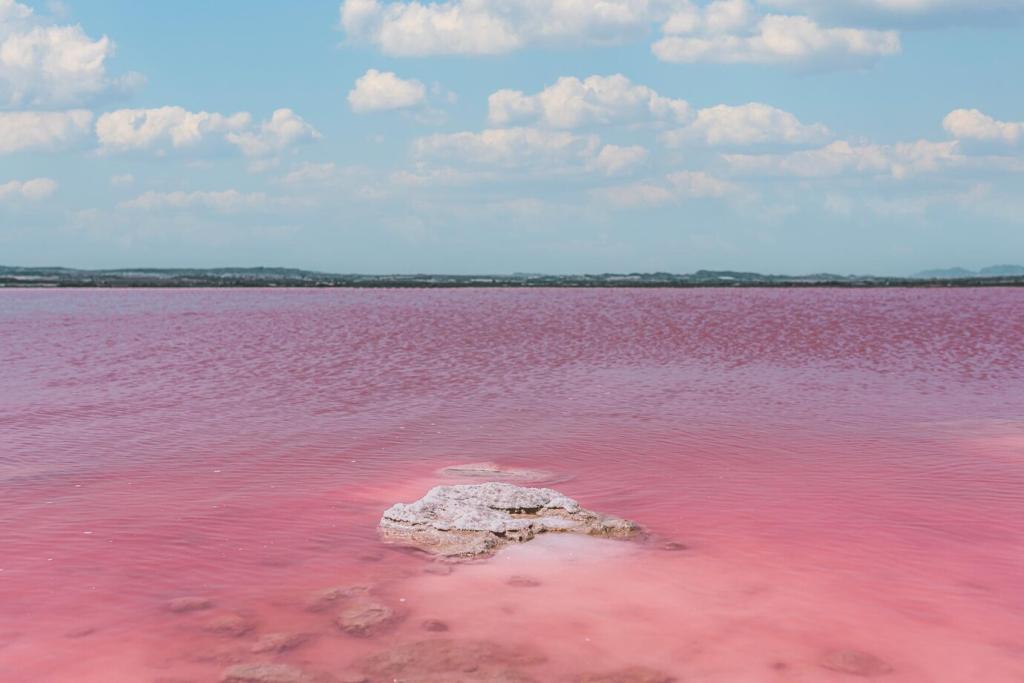
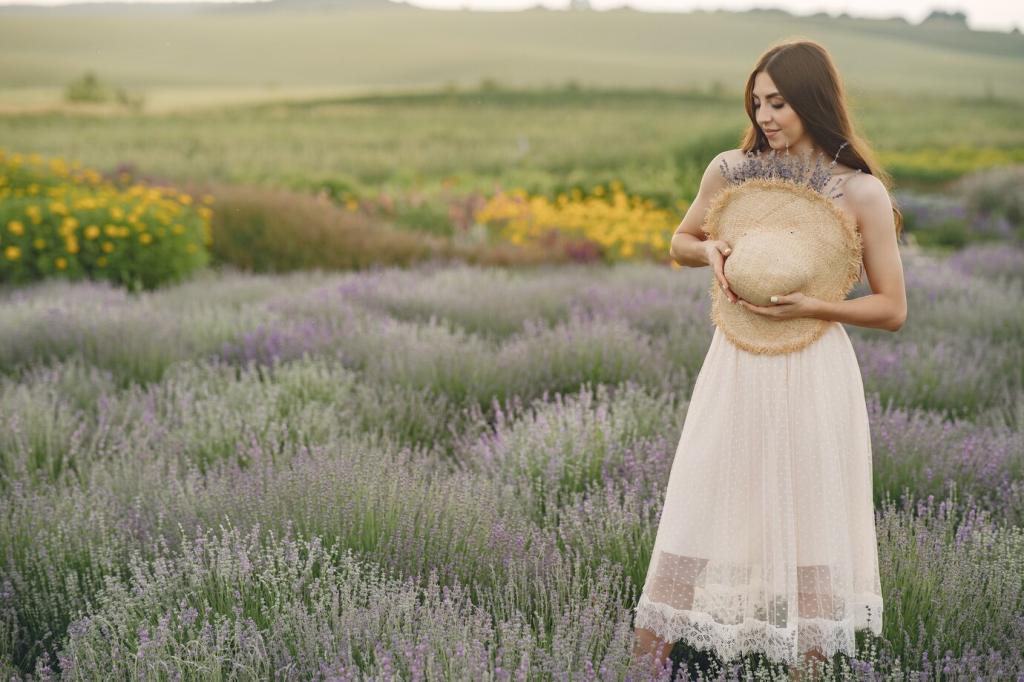
When color is strong, give it room to breathe. Use mist, snow, or soft water as neutral buffers. Simplifying tonal variety lets a single hue carry emotion. Share a minimalist landscape and explain how emptiness amplified your chosen palette.

Post-Processing for Color Integrity and Mood

Start with a neutral profile to avoid baked-in bias. Use camera calibration or color checkers to align hues, especially foliage and sky. A dependable baseline preserves subtle shifts you worked hard to capture under specific light conditions.

Post-Processing for Color Integrity and Mood

HSL sliders are scalpels, not hammers. Adjust hue gently to avoid plastic greens or cyan skies. Luminance shifts often feel more natural than saturation boosts. Combine with local masks to protect skin-like rock tones and delicate cloud gradients.

Stories from the Field: Color That Changed the Shot

Crimson Dune, Cobalt Storm

In Namibia, a cobalt storm banked behind a crimson dune minutes before sunset. Switching to a longer lens compressed colors into a blazing complementary duet. A cooler white balance preserved cloud drama while the dune glowed like a lantern.

Moss Valley Under Soft Overcast

A forest valley, gray sky, and rain-polished stones felt flat until a polarizer revealed deep emeralds and subtle teal pools. Embracing an analogous palette, we slowed the shutter, softened textures, and let gentle greens carry the scene’s meditative tone.

Teal Lake, Amber Larch

At an alpine lake, teal meltwater met amber larch in October wind. Positioning the trees against dark rock amplified contrast without oversaturation. A graduated filter held sky detail, and a slight luminance lift on teal kept reflections luminous and believable.
Podsnpots
Privacy Overview

This website uses cookies so that we can provide you with the best user experience possible. Cookie information is stored in your browser and performs functions such as recognising you when you return to our website and helping our team to understand which sections of the website you find most interesting and useful.